Latest Articles

Stories and guides from the Tymeless Necessity Hair team — tap a topic to read the full article

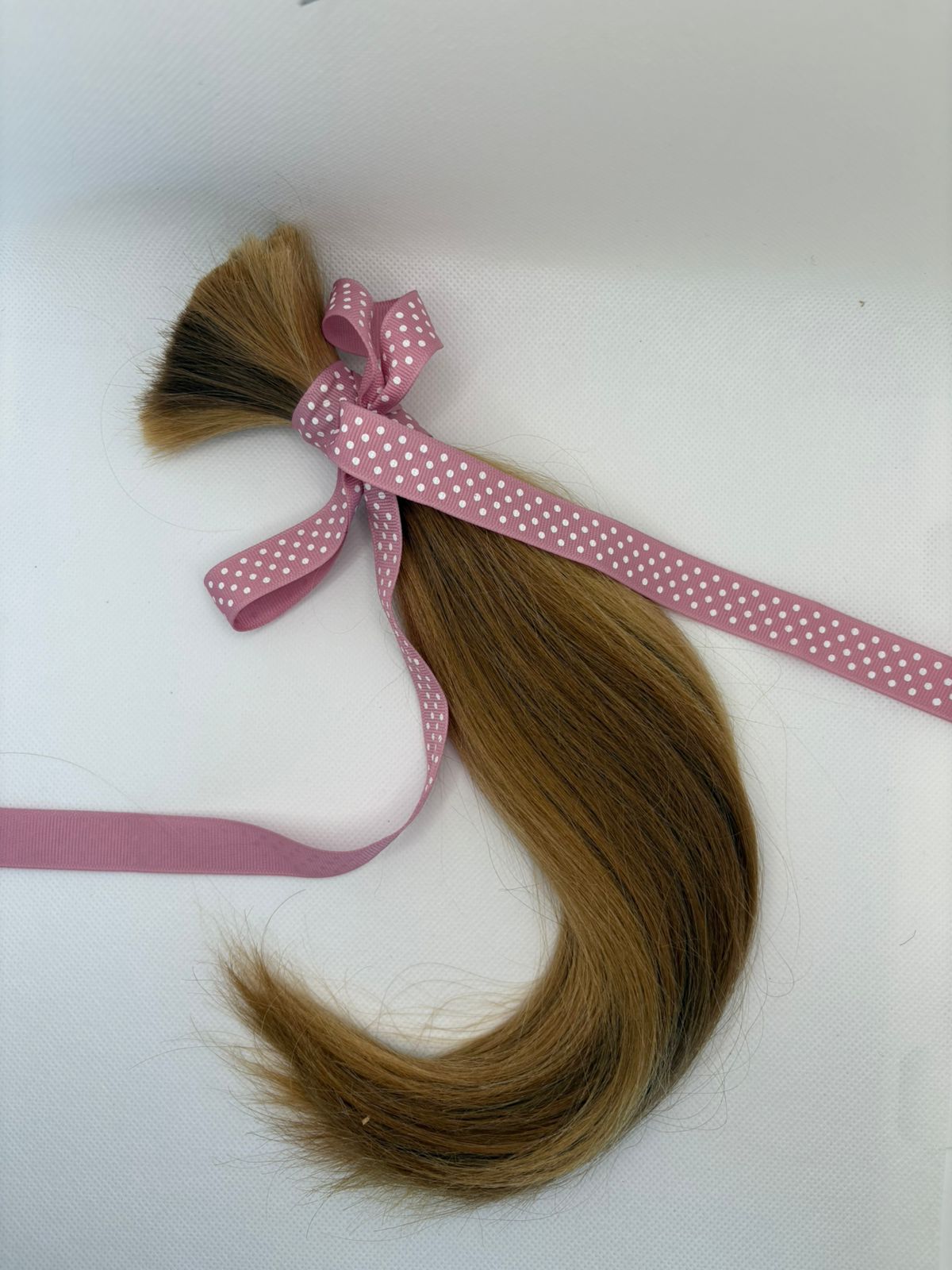
Two braids of Marie Minnaar's hair, preserved by her family Hair With a History
📅 October 2026 🕐 4 min read Shared with the family's permission

Hair With a History — The Story of Marie's Braids

We were recently entrusted with something truly extraordinary — two braids of human hair, kept by one family for generations, along with a photograph of the woman who grew them and the story of her life. She was born in 1920. Her hair is still here.

Wigs for Cancer Patients Cancer & Hair Loss
📅 October 2022 🕐 5 min read In partnership with ICON SA Oncology

Wigs for Cancer Patients — What You Need to Know

Hair loss is one of the most emotionally difficult side effects of cancer treatment. A well-fitted, natural human hair wig can restore confidence, dignity, and a sense of self at a time when everything feels out of control. Here's what to expect and how we can help.

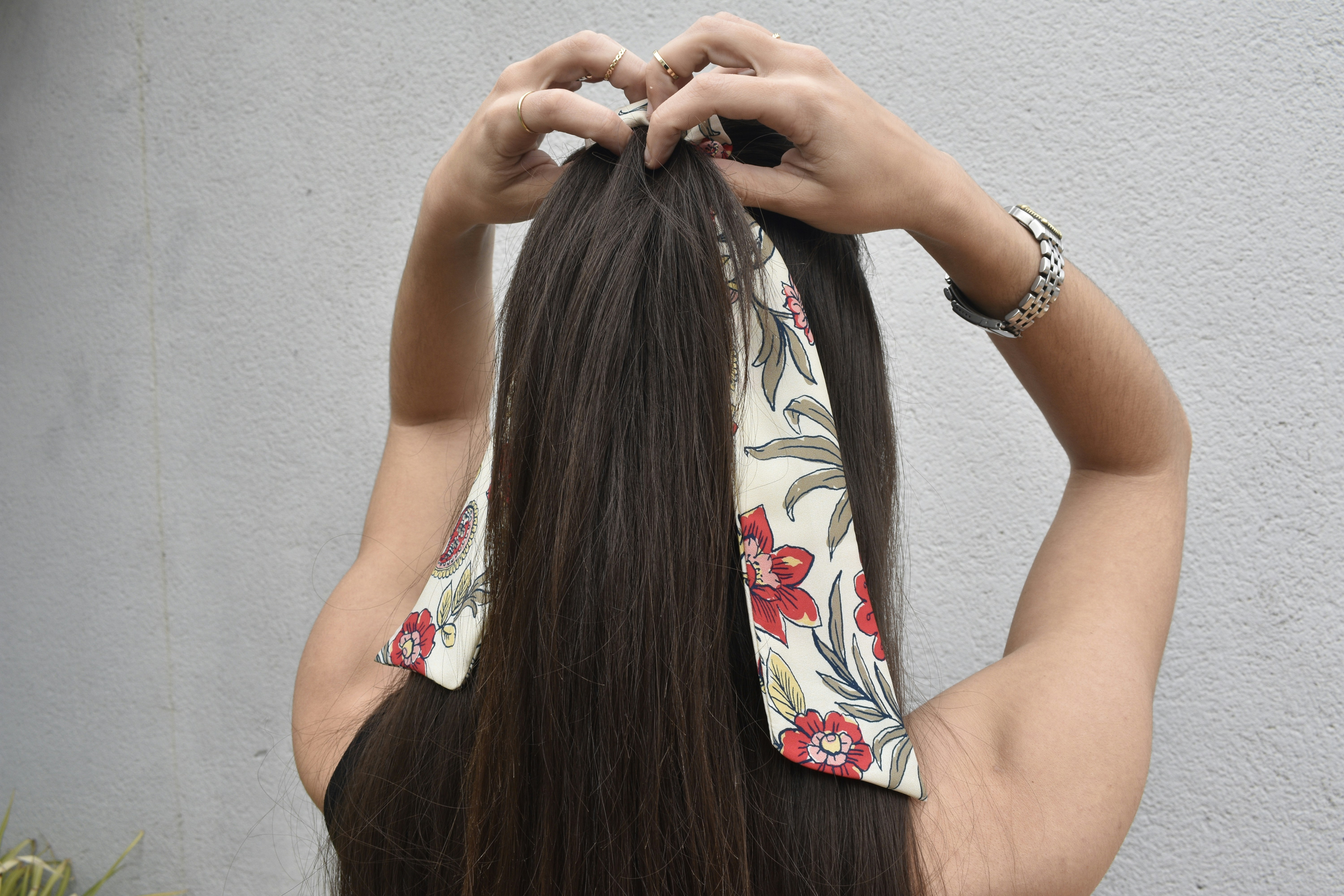
Donating Human Hair Hair Donation
📅 November 2022 🕐 6 min read In partnership with CANSA

How to Donate Your Hair — A Complete Guide

Donating your hair is one of the most meaningful gifts you can give to someone facing hair loss due to cancer or alopecia. But there are specific requirements that make a donation eligible. This guide walks you through everything — from minimum length to how to find an approved collection point near you.

A braid of Marie Minnaar's hair, preserved by her family

Hair With a History — The Story of Marie's Braids

We were recently entrusted with something truly extraordinary — two braids of beautiful human hair, passed down through a family and now placed in our hands.

Alongside the hair came a photograph of the woman who grew it, and her story. Her life began more than a century ago. Her family has kindly given us permission to share it.
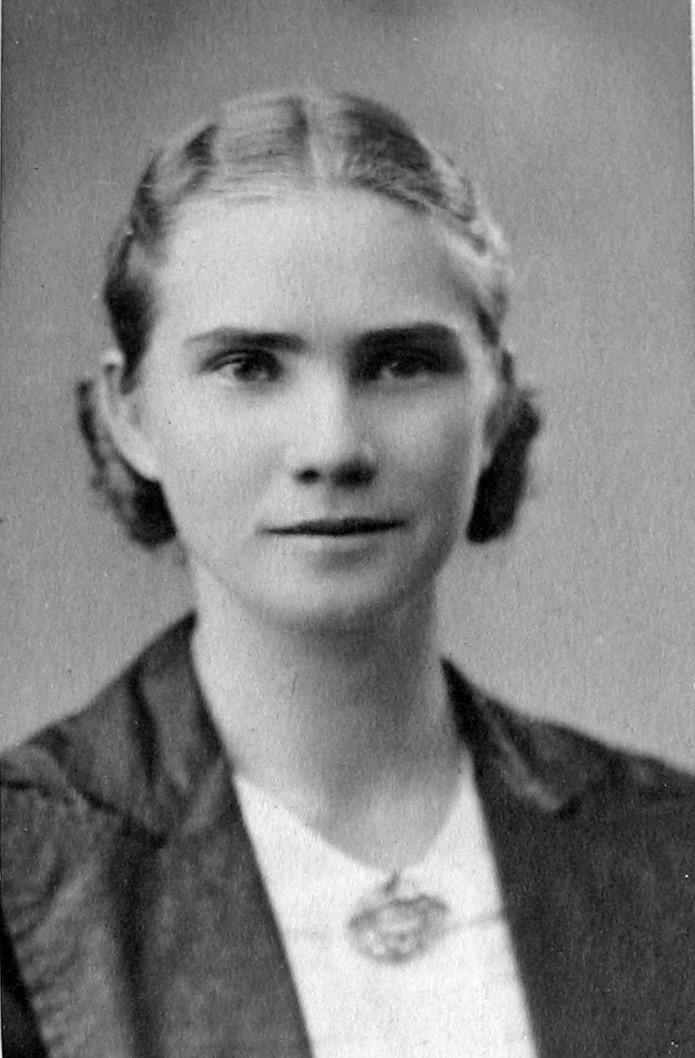
Portrait of Maria Magdalena (Marie) Minnaar as a young woman
Maria Magdalena (Marie) Minnaar, born 25 January 1920

Mapula, Mother of Rain

Maria Magdalena Minnaar — Marie to those who loved her — was born on 25 January 1920, the eldest of four children. Her parents farmed at Tweefontein, between Warmbad and Nylstroom, where a railway station carried the same name as the farm.

On the farm she was given another name: Mapula, "mother of rain". It rained on her birthday almost every single year.

A Farm School, a Gold Badge and a Tar Road

Marie's schooling began in a two-teacher farm school, where she stayed until Standard 5. From there she went to board in the hostel at Nylstroom High School, and in 1937 she was chosen as head girl. The school presented her with a real 24-karat gold badge with her name engraved on it. That badge is still in the family, and is worn today as a tie pin.

After school she went on to Potchefstroom Normal College to train as a teacher. These were the years of the Second World War, and money was scarce — so her father went to work helping to build the tar road between Warmbad and Pretoria to pay for her studies. In 1940 she was named Dux student of the college.

A father laid a road so that his daughter could study. She finished at the top of her class.

The Day She Cut Her Hair

Marie began teaching in 1941, and married Scott Hendrik Kotzé. After the wedding she decided it was time for something new: she would cut her long hair and get a "perm".

Scott did not like the short hair at all. So Marie let it grow again.

But the braids that were cut that day were not thrown away. Someone bound the ends and put them somewhere safe. And there they stayed — through the decades, through the generations — until the family placed them in our hands.
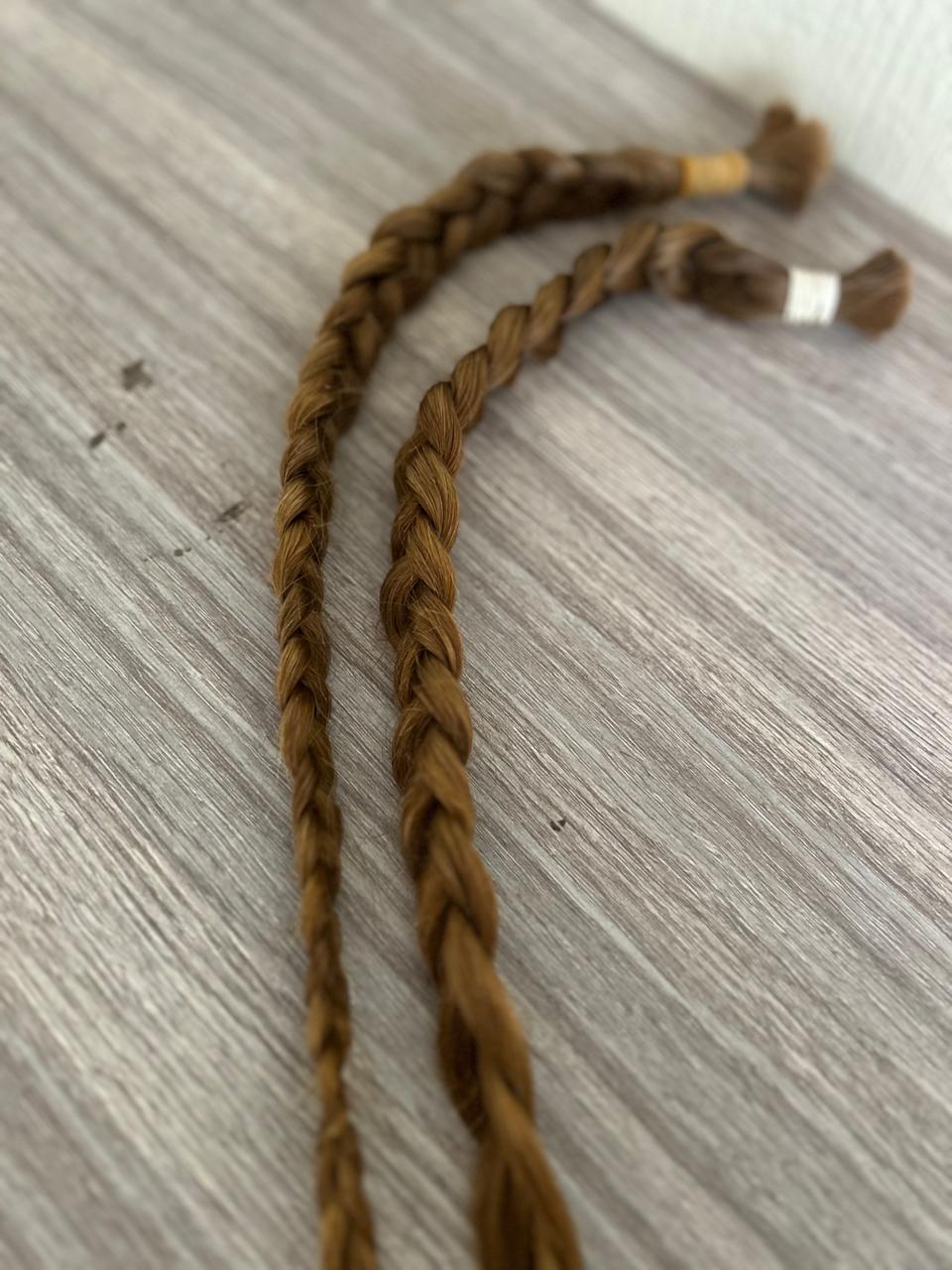
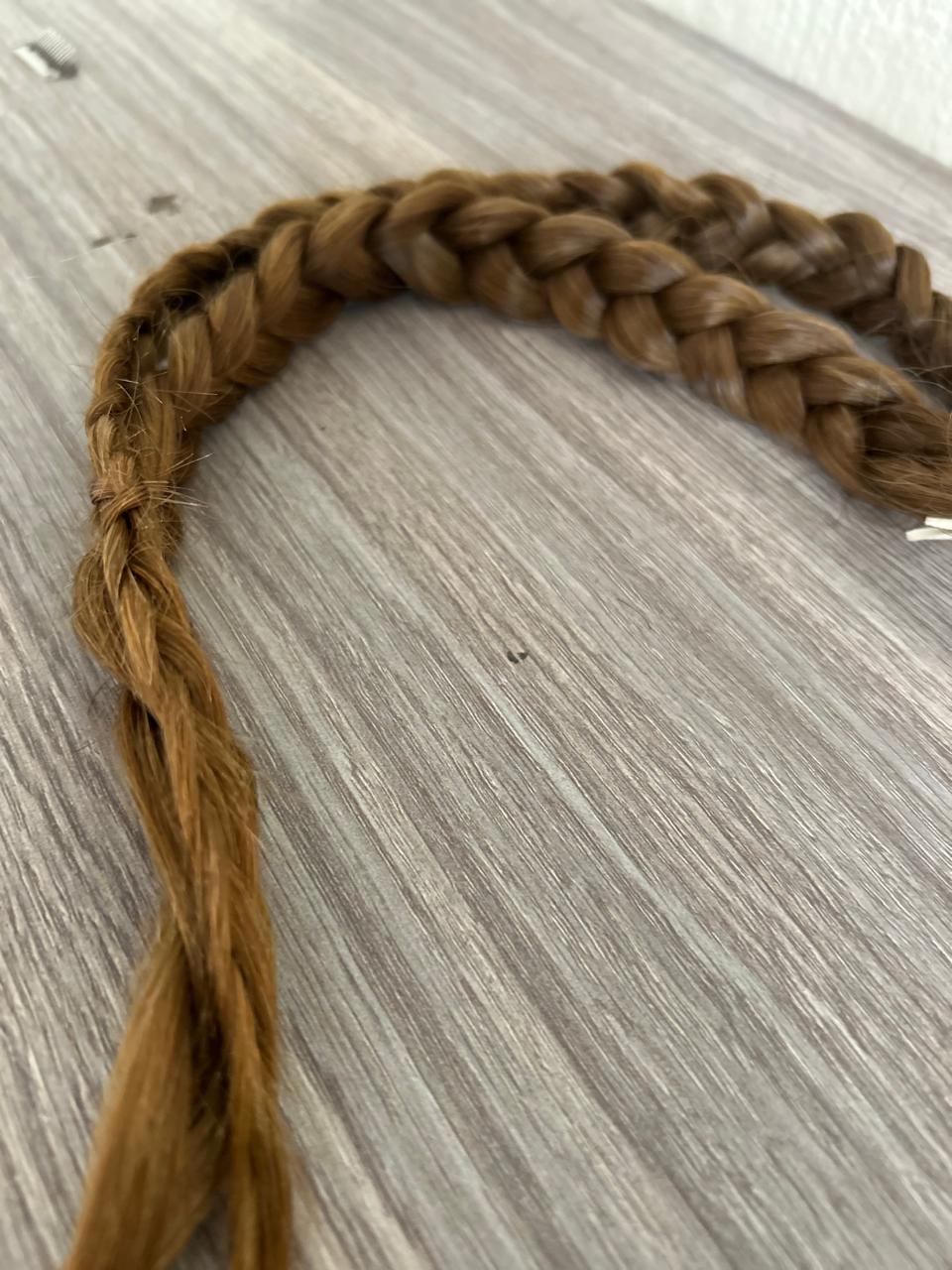
Marie's two braids, still bound at the ends where they were cut
Marie's braids today, still bound at the ends where they were cut

Still Here

Just imagine. This hair was once part of her. Her story was carried through the generations — and so was her hair. The colour is still warm. The braids still hold.

This is the remarkable thing about real human hair. Unlike synthetic fibres, it is natural, enduring and incredibly special. When it is cared for correctly, it can remain beautiful for generations, as Marie's braids prove.

More Than Just Hair

At Tymeless Necessity Hair, we believe hair is more than just hair. It carries identity. Memories. Heritage. Love. And sometimes a single strand can carry a story that lasts far longer than a lifetime.

More than a century after her story began, her hair still remains. 🤍

This is the beauty of human hair. This is the value of preserving something real. This is hair with a history.

Our heartfelt thanks to Marie's family for trusting us with her braids, her photograph and her story.


Wigs for Cancer Patients

Wigs for Cancer Patients — What You Need to Know

For many people undergoing cancer treatment, hair loss is one of the most psychologically challenging aspects of the journey. While chemotherapy and radiation work hard to fight cancer cells, they often affect healthy cells too — including the hair follicles. The result is a visible, public reminder of a deeply private battle.

At Tymeless Necessity Hair, we believe that a well-crafted, properly fitted wig is not a cosmetic luxury — it is a medical necessity. A piece that looks and feels like your own hair gives you the freedom to decide when and to whom you reveal your journey. That choice is powerful.

"A wig is not about vanity. It's about returning to yourself — about walking into a room and being seen as a person first, not a patient."

Why Human Hair Wigs Are Different

Not all wigs are created equal. Synthetic fibres can look unnatural under light, cannot be heat-styled, and often feel uncomfortable against a sensitive scalp. Human hair wigs — particularly those made on a silk base or Swiss lace base — look, move, and behave exactly like natural hair.

At our studio, every cranial prosthetic is made exclusively from 100% human hair. We use photo-matching to replicate your exact pre-treatment hair colour, density, and style. Many of our clients cannot be distinguished from someone who has never experienced hair loss at all.

Custom human hair wig consultation

What to Expect During Treatment

Hair loss from chemotherapy typically begins two to four weeks after the first treatment cycle. It often starts at the roots, with hair coming out in clumps. This is one of the most distressing moments — and it is exactly when having your wig already in place makes all the difference.

We recommend booking your consultation before treatment begins. This allows us to:

  • Capture your natural hair colour and texture while it is still intact
  • Take precise head measurements for a medical-grade base fit
  • Match your natural style using existing photos
  • Prepare your piece so it is ready when you need it most

Our 5-Day Turnaround Commitment

We understand that when a client contacts us, urgency is often a factor. That is why we commit to completing every cranial prosthetic within a maximum of five days. From the day of your consultation to the day you collect, you will never wait longer than a week.

On collection day, integration is done in a single session. You walk in, your piece is fitted, styled, and secured — and you walk out as yourself.

Aftercare & Scalp Support

We accompany every piece with a full aftercare briefing and access to our 39-natural-ingredient product range. Designed to soothe the scalp, prevent dryness, and extend the life of your wig, our products are free from harsh chemicals and safe for sensitive post-treatment skin.

For more information on how oncology institutions support access to wigs during cancer treatment, we encourage you to visit our partner ICON SA Oncology.

↗ Read the full ICON SA article
How to Donate Your Hair

How to Donate Your Hair — A Complete Guide

Donating your hair is one of the most tangible, lasting ways to make a difference in the life of someone experiencing medically related hair loss. Unlike many forms of giving, a hair donation is personal — it becomes part of someone else's recovery story, their daily confidence, their return to normalcy.

Through our Kindest Cut Initiative, Tymeless Necessity Hair channels donated hair into free and subsidised cranial prosthetics for cancer patients, with a specific focus on the Witbank community. We also work alongside CANSA to ensure that eligible donations are directed to the right places.

"Hair grows back. Confidence, when lost, takes much longer to return. Donating your hair is giving someone the gift of themselves."

Is Your Hair Eligible to Donate?

Not all hair can be used for wig-making. To create a functional, durable cranial prosthetic, the hair must meet certain standards. Here is what you need to know before you book your cut:

  • Minimum length: At least 25–30 cm measured from root to tip (the longer the better)
  • Condition: Hair should be clean, dry, and free from excessive chemical damage
  • Bleached or coloured hair: Some levels of colour-treated hair are still usable — contact us to check
  • Grey hair: Fully grey donations are accepted and highly valued
  • Dreadlocks and braids: These can sometimes be accepted — please enquire directly
  • Loose hair from brushing: Unfortunately this cannot be used — hair must be cut in a ponytail or braid
Hair donation being prepared

How to Prepare Your Donation

The process is straightforward and can be done at any salon willing to participate:

  • Step 1: Section your hair into one or more ponytails or braids before cutting
  • Step 2: Secure the ponytail tightly with an elastic band above and below the cut point
  • Step 3: Cut the hair above the top elastic band — this preserves the bundle and keeps it intact
  • Step 4: Place the cut bundle in a sealed ziplock bag
  • Step 5: Deliver or post to an approved drop-off point

How We Use Your Donation

At Tymeless Necessity Hair, donated hair goes through a full preparation process before being incorporated into a wig. Our community partners — including local school groups — help with washing, sorting, and organising donations. Each bundle is assessed for quality and matched to an appropriate recipient based on colour and texture.

Where donations are made to us directly, we also accept shampoo and hair care products to support the ongoing maintenance and cleaning of donated wigs in our programme.

We Also Accept Shampoo Donations

Maintaining donated wigs takes resources. If you are unable to donate hair, you can still contribute by donating shampoo or conditioner to the Kindest Cut Initiative. These supplies go directly toward preparing wigs for new recipients in the Witbank cancer community and beyond.

For a comprehensive national guide to hair donation in South Africa, including approved drop-off points and the organisations currently collecting, visit CANSA's official resource below.

↗ Read the full CANSA donation guide

Want to Get Involved?

Whether you are donating your hair, seeking a cranial prosthetic, or simply want to learn more — we are here for every step of your journey.

Learn About Donating Book a Consultation